

The building block of this video essay is derived from an article The Silent Symphony: The Impact of Sound Design in Silent Films and it talks about the emotions in a silent film are depicted through the sounds and music. In this essay, I will explain how the sound design in silent films shaped these movies to be works of art.
The Impact of Music in the Era of Silence
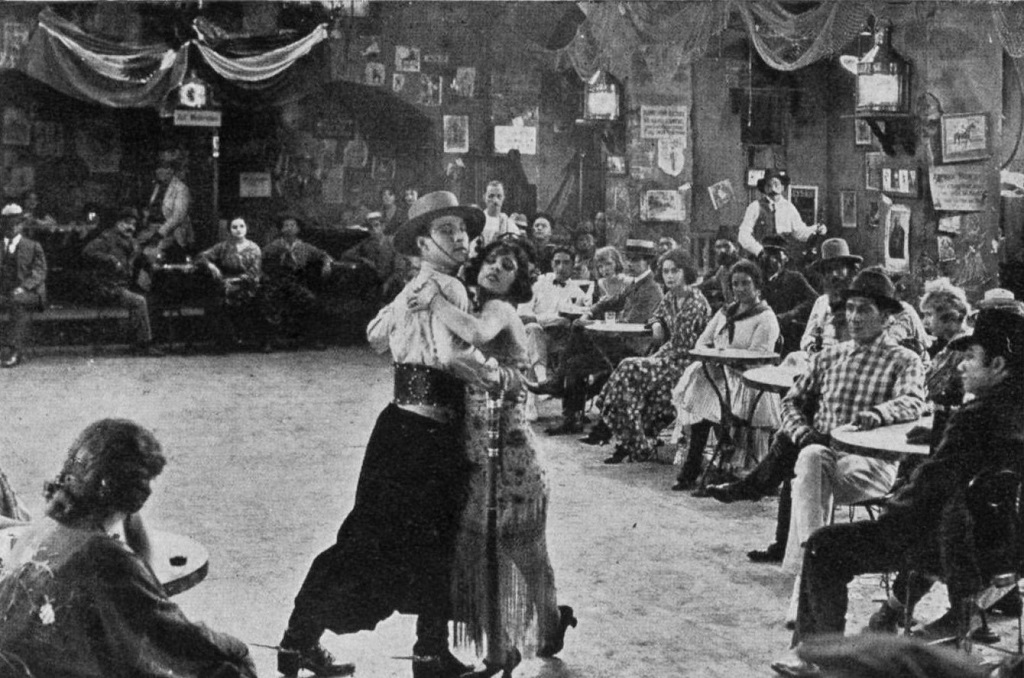
In silent movies, music clearly had a large impact. The moving pictures were instructed with live orchestras to enhance the emotions and drama. Film historian Rick Altman states, musicians were matched to the film in order to heighten the scenes and make it more sound appropriate. Regardless, the film had footsteps, music, dialogue, and suspense added too it in order to bind the audience’s emotions together with the characters.
Sound Effects: After the Music Came the Sound Effects
Intertitles were used to convey dialogue in between scenes, however, in silent films had no words the sound effects themselves played a huge roll. It was necessary in silent works to have foley sound effects added in. For example, if footsteps or doors creaking were shown on the screen the audience would hear them too. The realism allowed an audience to remember, feel, and be part of the story. Jacbos as well says, ‘When sound became a reality in film, sound effects had to be replaced.’Novel Approaches to Sound Design
Designing sound for silent films required out-of-the-box approaches. Filmmakers including Charlie Chaplin particularly employed rhythmic cutting as a form of action editing to create a “visual sound” style of performance. This visual sound provided rhythm, enabling greater engagement with the films, and replacing the unsatisfactory dialogue. This is where the conception of sound design started, even though it was in the height of silent film.
The Cultural Effects of Sound Design Perception
Cinemas put forth their perception of sound design for silent films, manifesting it as a form of cultural art. It conditioned the audience and eventually scaffolds for the expectation of comprehensible motion pictures, otherwise known as talkies. Movies like “The Jazz Singer” which saw the light in 1927 are a testament to such paradigm shifts in the motion picture industry. The use of sound during the era of silent films ushered a brand new approach towards storytelling in cinema.
Obstacles and Overcoming Them
There were a number of obstacles with creating sound for silent motion pictures. While constructing the sound did not present a lot of challenge, its accuracy and defined precision did. Production free of music poses itself as a task where solutions like live band plays and intertitles could work. Buster Keaton was one such filmmaker who adopted the highly unconventional approach of visual storytelling, capturing the audience’s attention at all times.
Read More Also: Monica Barbaro Oscar-Worthy Roles in Upcoming Films
Read More Also: The Best Crime Movies on Amazon Prime: Your Guide to Gripping Thrillers
FAQs
How did silent films integrate sound design so well?
Silent films used to utilize live performances and sound effects as substitutes for dialogue that delivered emotional depth and enhanced the theatrical experience.
Why was music a vital part in silent movies?
It added emotional context to the visuals that helped the audience understand the story better.
What problems did filmmakers of silent movies encounter when trying to perform sound design?
The problem of integrating live sound and subsequent actionable elements on the screen proved to be daunting.
Did silent films have sound effects?
Yes. They used live sound effects so that the films could be more relatable and interesting to the audience.
How did modern cinema get affected by silent films?
They provided the foundation for how modern films are made, and sound design in fourteen words.
Wrap It Up
The sound design of early films provided the aesthetic, while as multi-sensory stimulation turned into the focus of modern cinema. The sound design of such films should be appreciated for its impact on the structure of contemporary cinema. Moviese like such helped provide the foundation to revolutionize modern cinematographic films, breaking the boundaries of silence.