
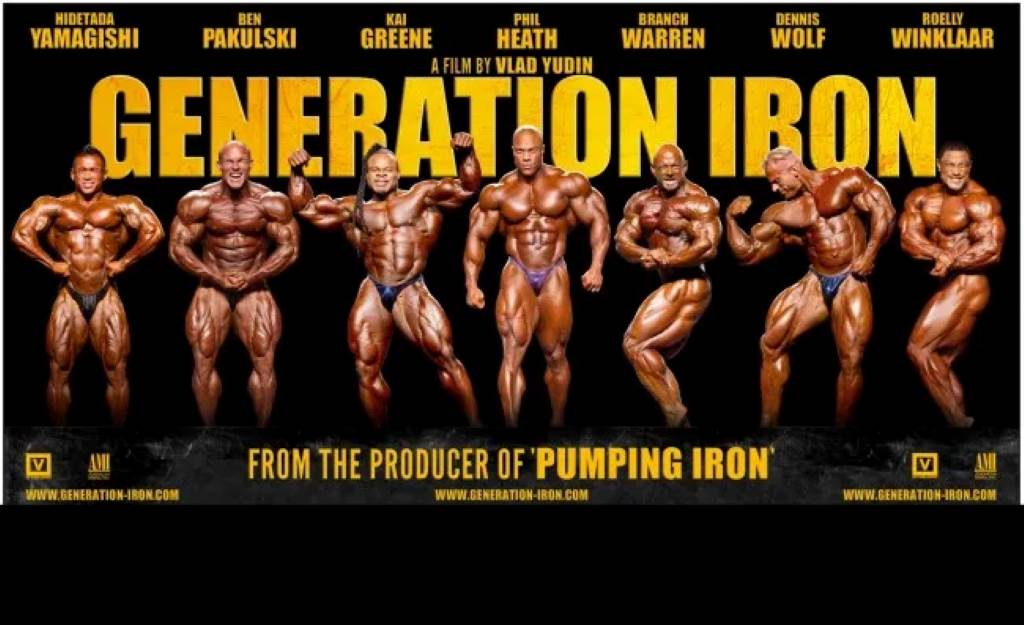
Generation Iron is more than a documentary; it’s a window into the lives of elite bodybuilders chasing the prestigious Mr. Olympia title. Released in 2013, this film captures the grit, passion, and sacrifice of athletes like Phil Heath and Kai Greene. Directed by Vlad Yudin, it’s often seen as a modern successor to the iconic Pumping Iron. Through raw storytelling, it showcases the human side of bodybuilding, blending ambition with vulnerability. This review dives into the characters and themes that make Generation Iron a compelling exploration of strength sports, drawing you into a world where discipline defines success. Curious about the athletes who shaped this narrative? Let’s explore their stories.
The Heart of Generation Iron: A Story of Rivalry and Resilience
Generation Iron follows seven top bodybuilders as they prepare for the 2012 Mr. Olympia competition. The documentary, narrated by Mickey Rourke, centers on the rivalry between Phil Heath, the reigning champion, and Kai Greene, the determined underdog. Their contrasting personalities drive the narrative, with Heath’s confidence clashing against Greene’s introspective hunger. Other athletes, like Branch Warren and Dennis Wolf, add depth to the story, each bringing unique struggles and motivations. The film’s strength lies in its ability to humanize these larger-than-life figures, showing their sacrifices beyond the gym.
The storytelling captivates by weaving personal backstories with intense training scenes. For instance, Kai Greene’s journey from a challenging upbringing to bodybuilding stardom resonates deeply, while Heath’s focus on legacy reveals the pressure of staying on top. According to IMDb, the film holds a 7.0/10 rating, reflecting its appeal to both fans and newcomers. This balance of drama and authenticity makes Generation Iron a standout in sports documentaries.
Phil Heath: The Gift’s Pursuit of Greatness
Phil Heath, nicknamed “The Gift,” is the documentary’s reigning champion, embodying confidence and showmanship. His story revolves around defending his Mr. Olympia title, a feat requiring relentless discipline. Heath’s polished persona and media-savvy approach highlight the business side of bodybuilding, where branding is as crucial as biceps. His gym sessions, filled with precision and intensity, showcase why he’s a dominant force.
However, Heath’s journey isn’t without tension. The film reveals his struggles with public perception, often painting him as the “villain” compared to underdog competitors. This dynamic adds intrigue, as viewers see the mental toll of staying number one. His dedication, though, is undeniable—reports suggest top bodybuilders train up to six hours daily, a statistic Heath likely exceeds. His story fascinates, showing that even champions face doubt. For fans of strength sports, Heath’s arc is a masterclass in resilience.
Kai Greene: The Underdog’s Soulful Journey
Kai Greene steals the spotlight with his raw, emotional depth. Raised in foster care, Greene channels his past into bodybuilding, transforming pain into power. His artistic side—painting and performance art—sets him apart, revealing a renaissance man beneath the muscle. In Generation Iron, his training is almost spiritual, with every rep a step toward redemption.
Greene’s rivalry with Heath fuels the film’s drama, yet his introspective nature makes him relatable. He speaks candidly about sacrifice, from strict diets to personal isolation. The documentary captures his charisma, like when he eats with chopsticks at home, adding charm to his beastly physique. His story demonstrates that bodybuilding is more than physical—it’s a mental and emotional marathon. Greene’s journey inspires, proving that heart can rival raw talent in strength sports.
Supporting Characters: Adding Depth to the Narrative
Beyond Heath and Greene, Generation Iron introduces a colorful cast. Branch Warren, with his gritty intensity, represents the blue-collar side of bodybuilding, training in a no-frills Texas gym. Dennis Wolf, a Russian-born athlete, idolizes Schwarzenegger and brings a quiet determination. Roelly Winklaar’s humor and Ben Pakulski’s analytical approach add levity and intellect, respectively. Each athlete’s story enriches the film, showcasing diverse paths to the Mr. Olympia stage.
These supporting characters highlight the global appeal of strength sports, from the U.S. to Europe and beyond. Their personal sacrifices—family time, social lives, and financial stability—mirror the leads’ struggles, creating a universal narrative. The film’s ability to balance these stories fascinates, offering a mosaic of ambition and grit. For viewers, it’s a reminder that every competitor, not just the stars, has a compelling tale.

Themes of Discipline and Sacrifice in Strength Sports
Generation Iron excels at showcasing the discipline required in bodybuilding. Athletes follow grueling routines, from six-hour workouts to meticulously planned diets. The film doesn’t shy away from controversies, like steroid use, though it’s addressed briefly. This honesty educates viewers on the sport’s complexities, revealing the cost of chasing perfection.
Sacrifice is another core theme. Athletes often forgo personal relationships and financial security for a shot at glory. For example, Greene’s isolation and Heath’s public scrutiny underscore the emotional toll. This narrative demonstrates that bodybuilding is a lifestyle, not just a sport. The film fascinates by showing how far these athletes go, pushing human limits. It’s a testament to the mental fortitude required in strength sports.
Personal Connection: My Encounter with Bodybuilding Culture
Growing up, I stumbled upon bodybuilding through a local gym where a friend trained. Watching him sculpt his physique, I was struck by the dedication—early mornings, strict meals, and endless reps. Generation Iron echoed that experience, capturing the same passion I saw in him. The film’s portrayal of sacrifice hit home, reminding me of his missed social events for training. It taught me that bodybuilding, like any pursuit, demands heart and hustle. This personal lens makes the documentary’s characters feel like real people, not just icons.
Cinematography and Narration: Crafting an Immersive Experience
The film’s visuals, shot by Guy Livneh and Colin Morvan, are striking, capturing sweat-soaked workouts and chiseled physiques with clarity. Mickey Rourke’s gravelly narration adds gravitas, framing bodybuilding as both art and struggle. The editing, though criticized for pacing, keeps viewers engaged with dynamic cuts between gym scenes and personal moments.
However, some reviews note the film’s 106-minute runtime feels 20 minutes too long, a critique from The New York Times. Despite this, the cinematography educates by showing the sport’s intensity, while Rourke’s voice fascinates, pulling you into the athletes’ world. The production quality demonstrates Generation Iron’s commitment to authenticity, making it a visual treat for strength sports fans.
Read Also:
- The Naked Gun Reboot: A Hilarious Legacy Continues
- Nunakkuzhi Movie Review: A Hilarious Rollercoaster of Lies and Laughter
- Where to Watch The Wind Rises – Streaming & Rental Guide
Pros and Cons of Generation Iron
To help you decide if Generation Iron is worth watching, here’s a breakdown:
Pros:
-
- Compelling character-driven storytelling.
- High-quality cinematography showcasing bodybuilding’s intensity.
- Insightful look at the sacrifices in strength sports.
- Relatable underdog narrative with Kai Greene.
- Appeals to both fans and newcomers.
Cons:
-
- Pacing can feel slow, especially in the middle.
- Limited discussion on controversial topics like steroids.
This list educates on the film’s strengths and weaknesses, helping you weigh its value. The pros outweigh the cons for those intrigued by bodybuilding’s human side.
Tips for Aspiring Bodybuilders Inspired by Generation Iron
If Generation Iron sparks your interest in bodybuilding, here are practical tips:
- Start Small: Begin with basic lifts like squats and deadlifts to build a foundation.
- Prioritize Nutrition: Follow a high-protein diet, aiming for 1.6–2.2 grams per kilogram of body weight daily.
- Stay Consistent: Train 4–5 times weekly, focusing on progressive overload.
- Rest and Recover: Ensure 7–9 hours of sleep to support muscle growth.
- Learn from Pros: Watch interviews on Generation Iron’s website for expert tips.
These tips demonstrate actionable steps while educating on the discipline seen in the film. They’re a starting point for anyone inspired by these athletes’ journeys.
A Must-Watch for Strength Sports Enthusiasts
Generation Iron is a gripping dive into the world of bodybuilding, blending raw emotion with the spectacle of strength sports. Characters like Phil Heath and Kai Greene bring heart and rivalry to the screen, while supporting athletes add depth to this tale of discipline. Though pacing falters at times, the film’s visuals and storytelling captivate, making it a worthy successor to Pumping Iron. It educates on the sacrifices behind chiseled physiques and fascinates with its human stories. Whether you’re a bodybuilding fan or curious about strength sports, this documentary inspires. Share your thoughts in the comments or pass this review to a friend who loves fitness!
FAQs
What is Generation Iron about?
Generation Iron is a 2013 documentary following top bodybuilders, like Phil Heath and Kai Greene, as they train for the 2012 Mr. Olympia competition.
Who are the main characters in Generation Iron?
The film focuses on Phil Heath, Kai Greene, Branch Warren, Dennis Wolf, and others, each showcasing unique stories of dedication.
Is Generation Iron suitable for non-bodybuilding fans?
Yes, its character-driven narrative and emotional depth make it engaging for anyone interested in stories of ambition and sacrifice.
How does Generation Iron compare to Pumping Iron?
It’s a modern successor, focusing on current athletes with similar themes of rivalry and discipline, though some find it less iconic.
Where can I watch Generation Iron?
It’s available on platforms like Prime Video, Apple TV, and Generation Iron’s website. Check local listings for availability.